|
1
|
- Samuel Koszer MD
- Associate Professor of Neurology
- Albany Medical Center
|
|
2
|
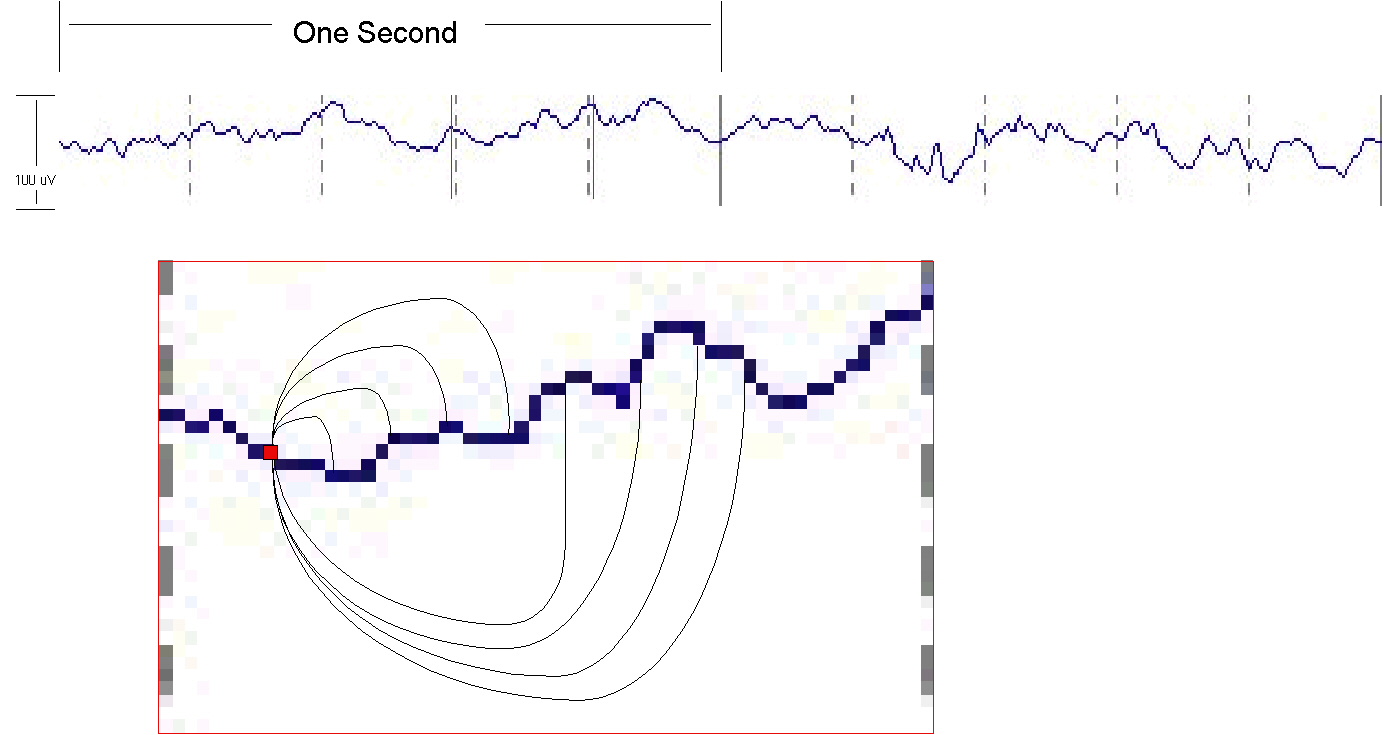
- Music; Tuning up vs. a symphony
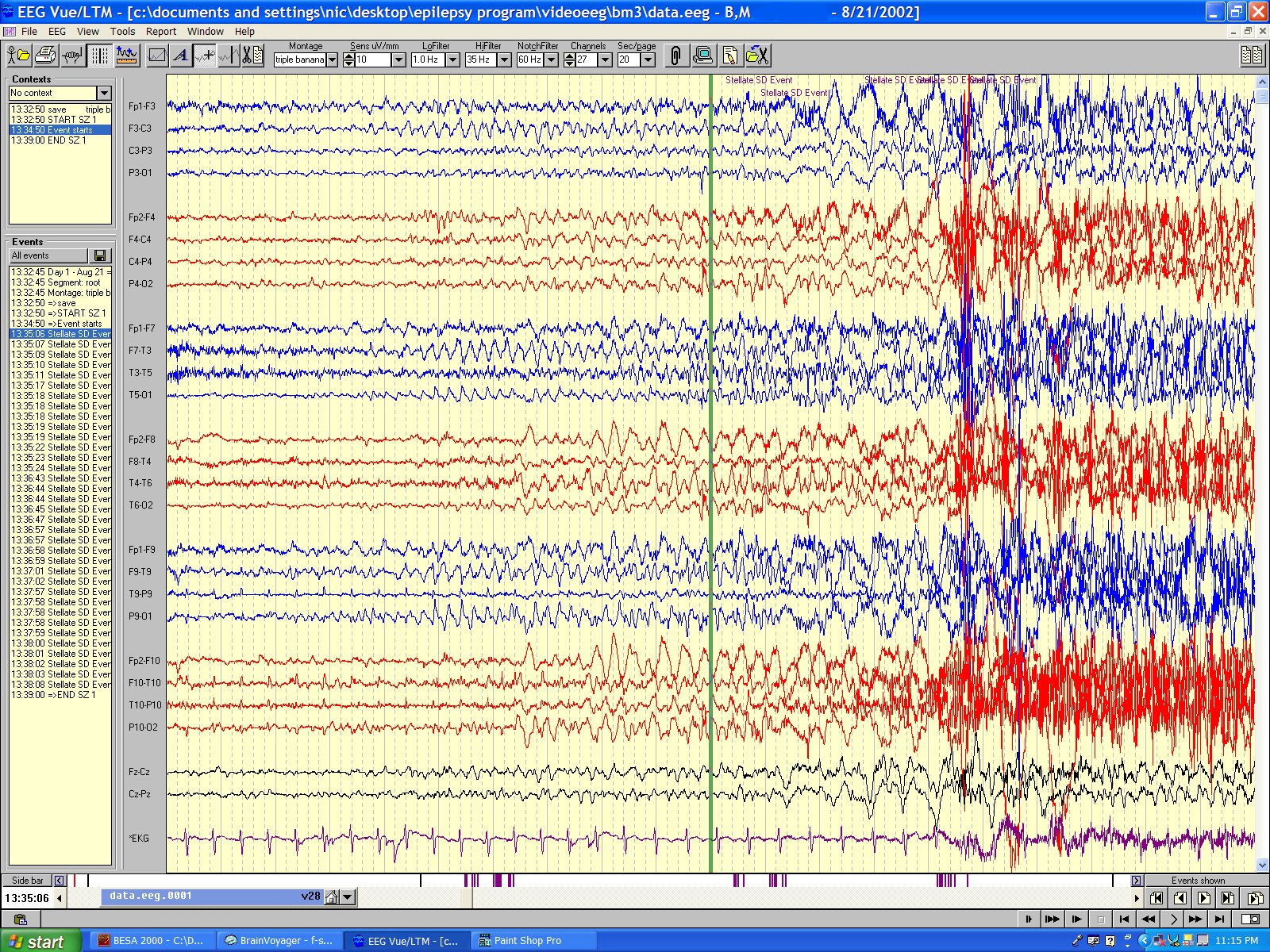
- The subtle shift from the normal, disorderly, chatter of neurons into a
more synchronized pattern can be a step toward the uncontrolled
electrical activity of a seizure.
|
|
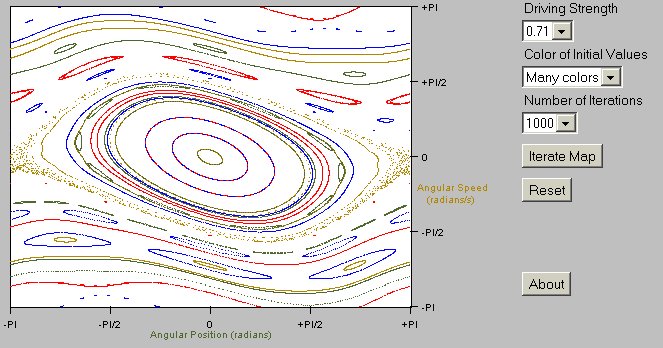
3
|
|
|
4
|
- Determinism is the philosophical belief that every event or action is
the inevitable result of preceding events and actions. Thus, in
principle at least, every event or action can be completely predicted in
advance, or in retrospect.
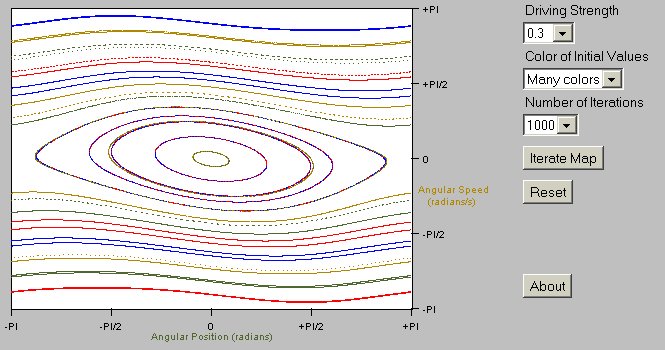
|
|
5
|
- Determinism can be traced as least as far back as the time of Ancient
Greece
- Incorporated into modern science around the year 1500 A.D. with the
establishment of the idea that cause-and-effect rules completely govern
all motion and structure on the material level.
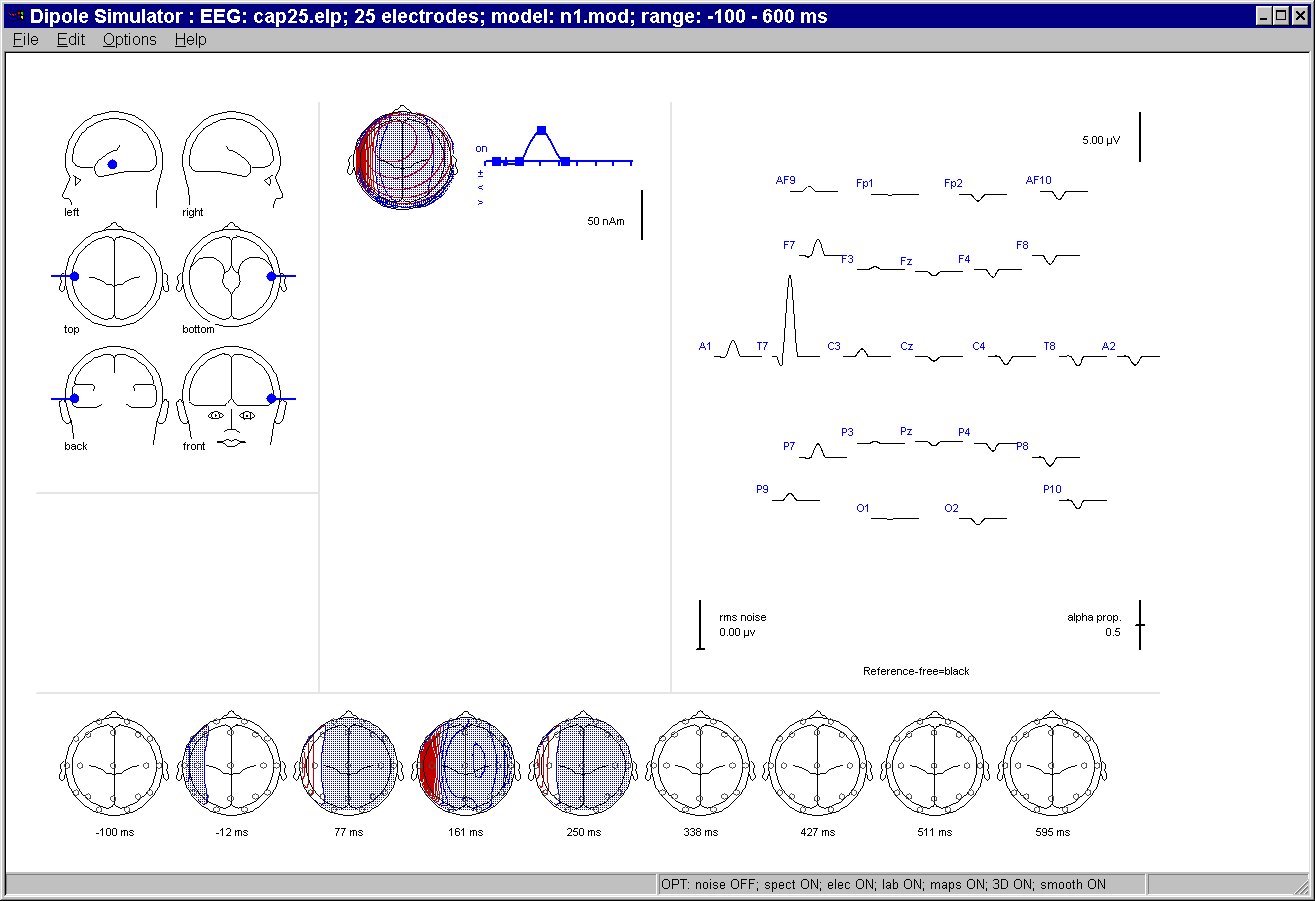
|
|
6
|
- Isaac Newton, who lived in England about 300 years ago.
- the values of the measurements at a given starting time are called the initial
conditions for that system.
|
|
7
|
- 10 billion cells
- 10-20,000 synapses / Cell
- 1014 (100 trillion)connections
|
|
8
|
- Columnar
- 80-110 cells per column
- Diameter 30-50 um
- Depth 3-6 mm
- They are believed to function as modules.
- A cortical column is a complex processing and distributing unit that
links a number of inputs to a number of outputs via overlapping
internal processing chains" (Mountcastle, 1998).
|
|
9
|
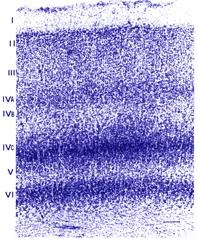
- Supragranular Layers: Layers I - III
- Layer III receives input from other cortical columns
- Cells of layers II and III project to other parts of the cortex
Granular Layer: Layer IV
- Receives inputs from the thalamus
- Sends signals to the rest of the column (primarily up to layers
II and III)
Infragranular Layers: Layers V - VI
- Receive input from the supragranular cells of adjacent columns
- Send signals mainly to extracortical structures (thalamus,
other subcortical structures)
|
|
10
|
|
|
11
|
- It is important to remember that the uncertainty in the dynamical
outcome does not arise from any randomness in the equations of
motion--since they are completely deterministic--but rather from the
lack of the infinite accuracy in the initial conditions.
|
|
12
|
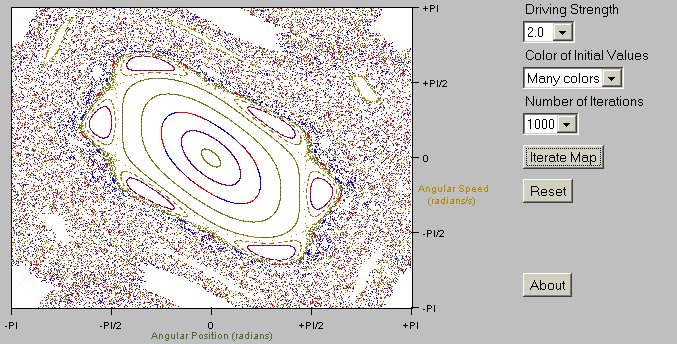
- dynamical instability, which to most physicists is the same in meaning
as chaos.
- Dynamical instability refers to a special kind of behavior in time found
in certain physical systems and discovered around the year 1900, by the
physicist Henri Poincaré.
|
|
13
|
- Poincaré was a physicist interested in the mathematical equations which
describe the motion of planets around the sun.
- That these mathematical orbit equations are deterministic means, of
course, that by knowing the initial conditions---in this case, the
positions and velocities of the planets at a given starting time---you
find out the positions and speeds of the planets at any time in the
future or past.
|
|
14
|
- The astronomical systems which did not obey the rule typically consisted
of three or more astronomical bodies with interaction between all three.
For these types of systems, Poincaré showed that a very tiny imprecision
in the initial conditions would grow in time at an enormous rate.
|
|
15
|
- That is, for these systems, even if you could specify the initial
measurements to a hundred times or a million times the precision, etc.,
the uncertainty for later or earlier times would not shrink, but remain
huge.
|
|
16
|
- The extreme "sensitivity to initial conditions" mathematically
present in the systems studied by Poincaré has come to be called
dynamical instability, or simply chaos.
- in a chaotic system, using the laws of physics to make precise long-term
predictions is impossible, even in theory. Making long-term predictions
to any degree of precision at all would require giving the initial
conditions to infinite precision.
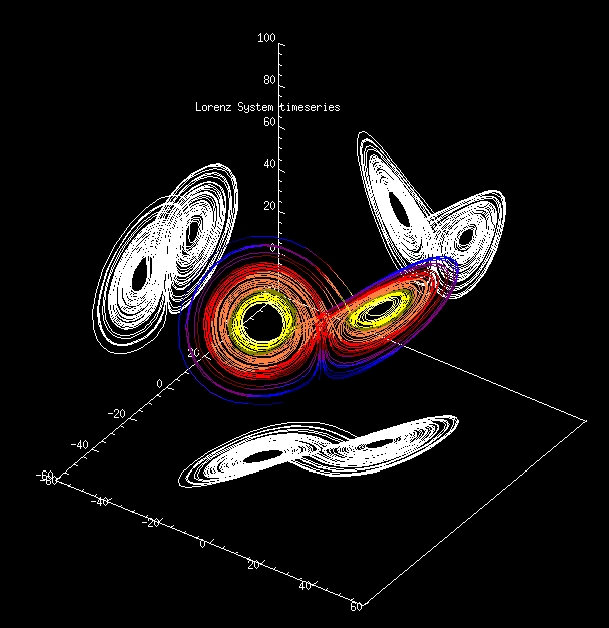
- The mathematics inside Lorenz's model of atmospheric currents was widely
studied in the 1970's. Gradually it came to be known that even the
smallest imaginable discrepancy between two sets of initial conditions
would always result in a huge discrepancy at later or earlier times, the
hallmark of a chaotic system, of course.
- the weather as a whole is a chaotic system This means that in order to
make long-term weather forecasts with any degree of accuracy at all, it
would be necessary to take an infinite number of measurements
|
|
17
|
- Patterns
- Clinical
- EEG
- Change in frequency
- Change in amplitude
- Voltage depression
- Change in interictal spikes
|
|
18
|
- Gotman, Qu 1997
- Gold Standard, 9 sec delay (0.02 fp/hr)
- Estellar et al, 1999
- Fractal dimension, 1.8 sec delay (0-1 fp/hr)
|
|
19
|
- Patterns
- Clinical (in dogs)
- Psychics
- Intuition
- Chemical
- EEG
|
|
20
|
- Iasemedis/Sackellares (1990)
- Lyaponev measurements
- 20 mins to 1 hour before clinical/eeg onset
- Martinerie, Le-Van-Quyen et Al (1994)
- Correlation density
- Dynamical similarity
- Others; neural networks,wavelet nn,
- fuzzy clustering,
implanted
- detectors
|
|
21
|
- Medications
- Vagus Nerve Stimulation
- Transcranial magnetic stimulation
|
|
22
|
|
|
23
|
- In terms of weather forecasts, the "Butterfly Effect" refers
to the idea that whether or not a butterfly flaps its wings in a certain
part of the world can make the difference in whether or not a storm
arises one year later on the other side of the world.
|
|
24
|
- Because of the "Butterfly Effect," it is now accepted that
weather forecasts can be accurate only in the short-term, and that
long-term forecasts, even made with the most sophisticated computer
methods imaginable, will always be no better than guesses
|
|
25
|
- Because of this fact, some scientists have begun to question whether or
not it is meaningful at all to say that the universe is deterministic in
its behavior.
|
|
26
|
- A chaotic system can actually evolve in a way that appears to be smooth
and ordered, however. Chaos refers to the issue of whether or not it is
possible to make accurate long-term predictions of any system if the
initial conditions are known to an accurate degree.
|
|
27
|
|
|
28
|
|
|
29
|
|
|
30
|
|
|
31
|
|
|
32
|
|
|
33
|
|
|
34
|
- Medications
- Vagus Nerve Stimulation
- Transcranial magnetic stimulation
|
|
35
|
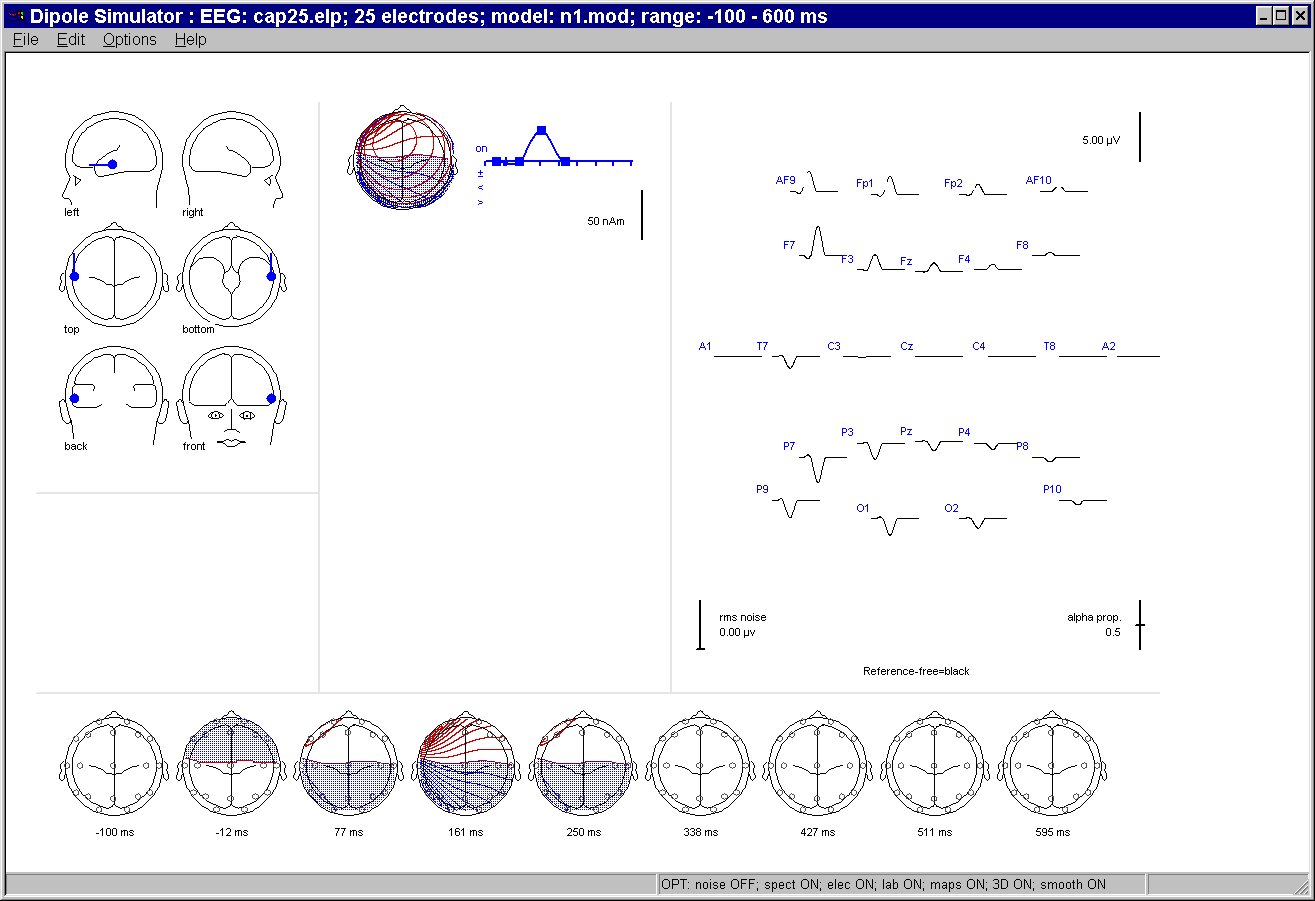
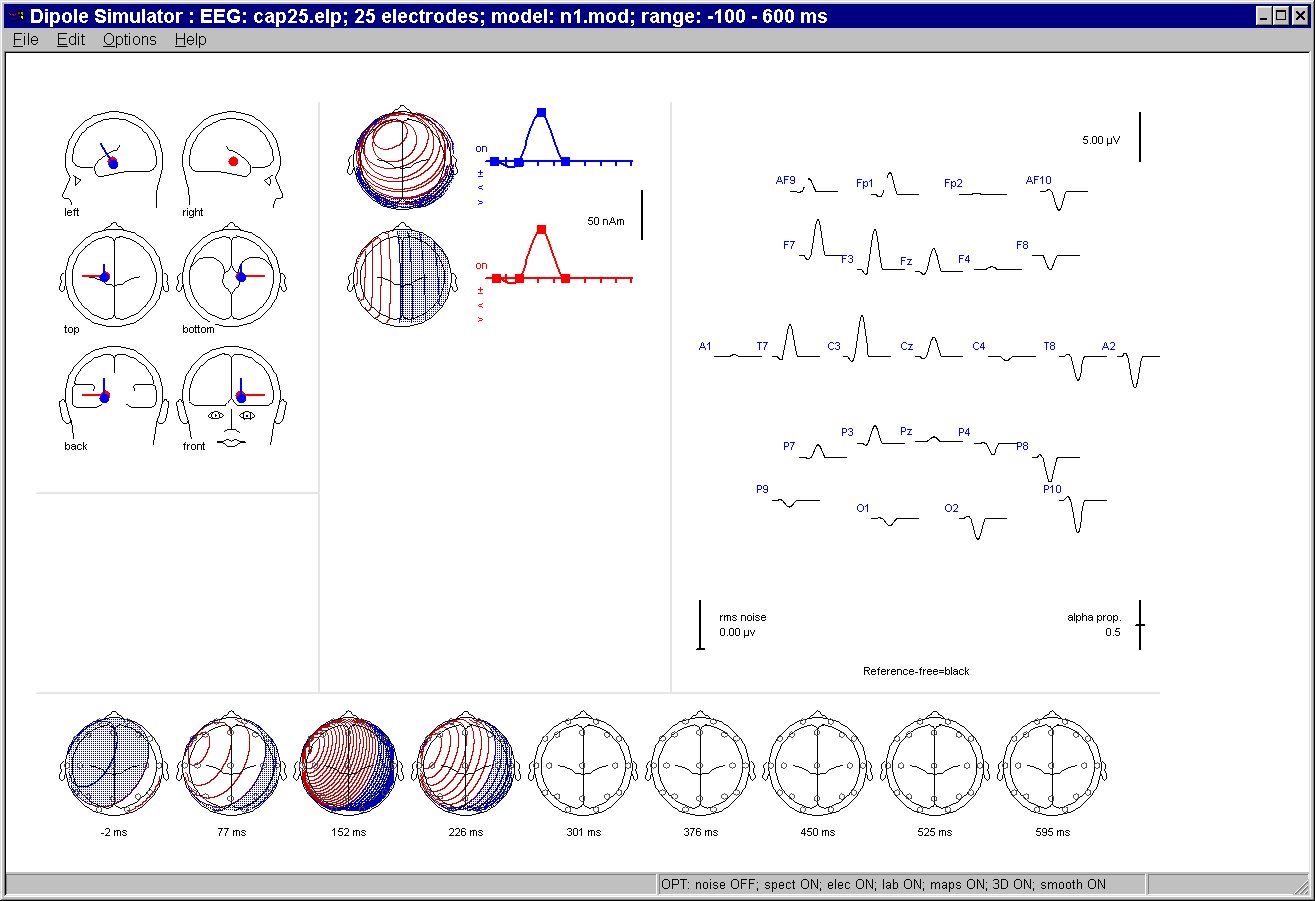
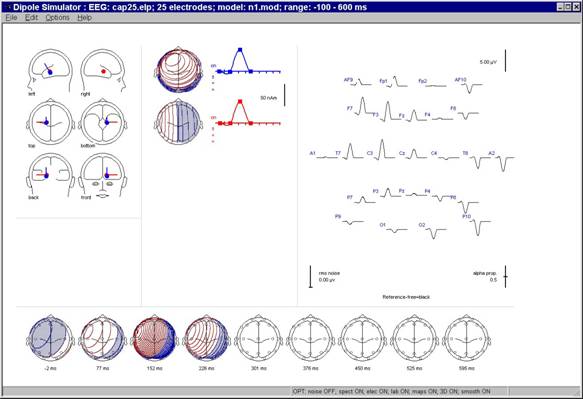
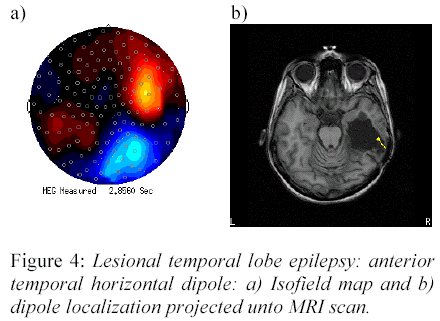
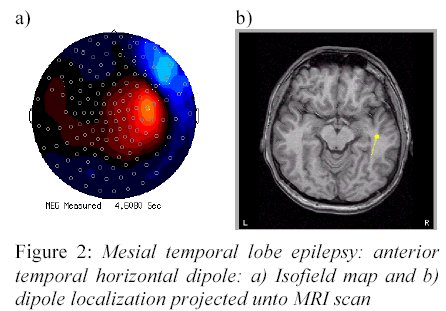
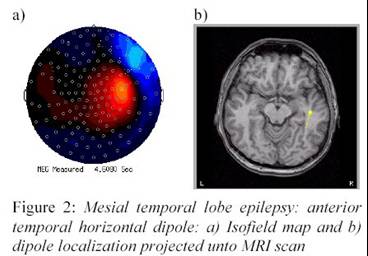
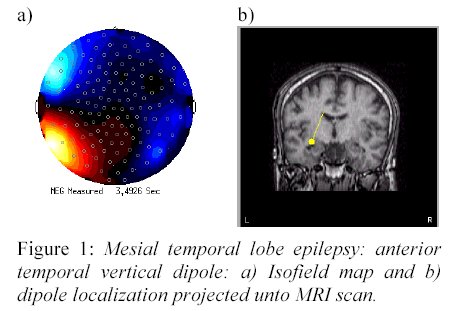
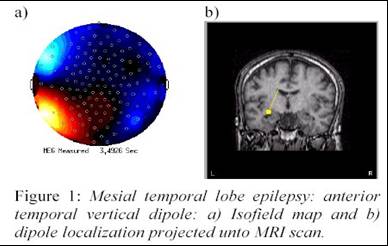
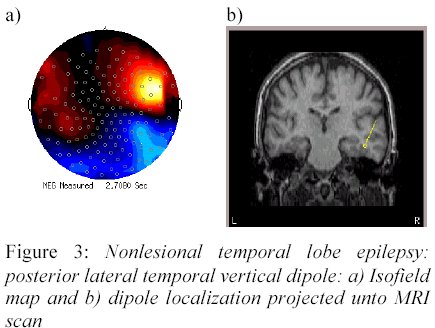
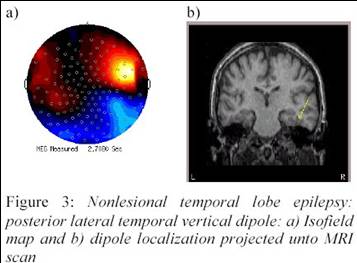
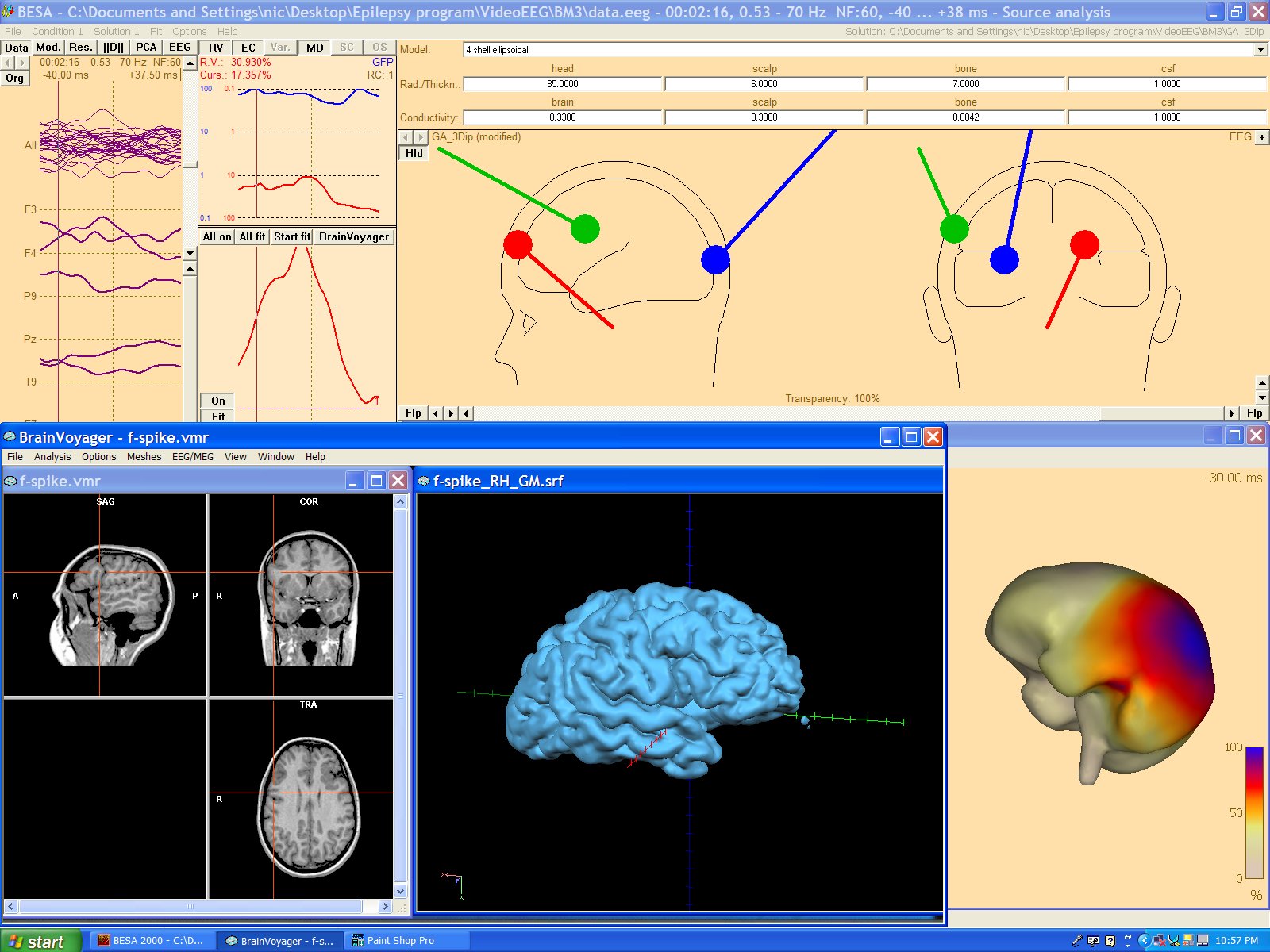
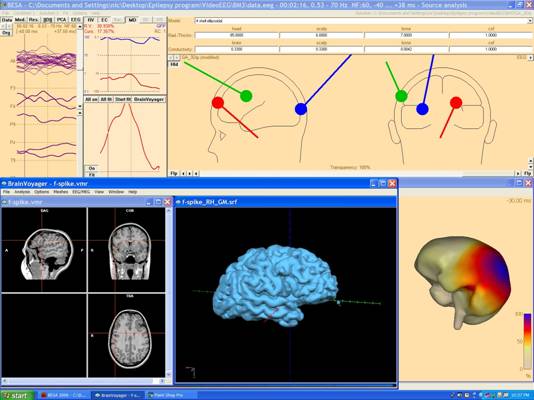
- Mathematical reconstruction of the source of brain electrical activity
- Epileptic spikes
- Evoked potentials
- Normal activity
- EEG/MEG
|
|
36
|
|
|
37
|
|
|
38
|
|
|
39
|
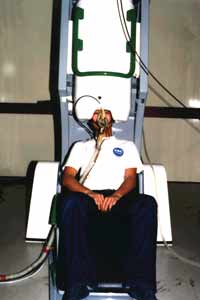
- Tangential Magnetic Fields
- Less blurring of recording
- No secondary induced currents
- Sees deeper sources
- Within sulci or deep within gyri
|
|
40
|
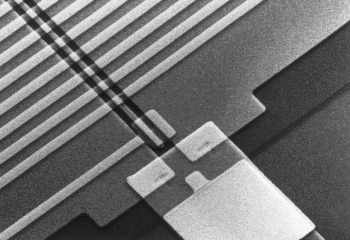
- Superconducting Quantum Interference Device
- PicoTesla (10-12 Tesla)
|
|
41
|
|
|
42
|
|
|
43
|
|
|
44
|
|
|
45
|
|
|
46
|
|

 Notes
Notes